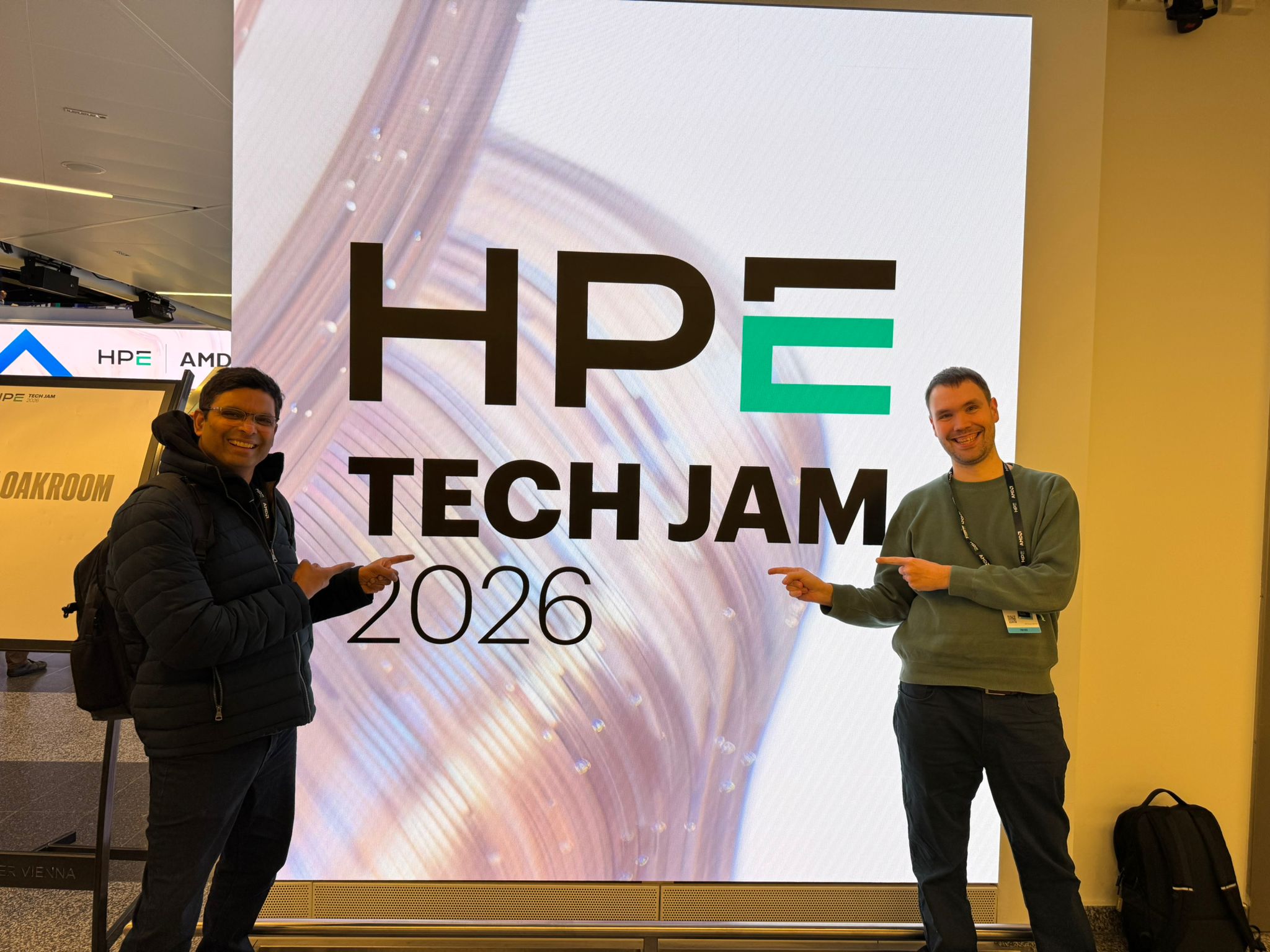
Day 4 always feels different. The excitement is still there, but the patience is thinner and the tolerance for buzzwords drops noticeably. By now, most people aren’t looking for inspiration anymore – they want clarity. What’s real, what’s coming, and what actually makes life easier once you’re back home in front of a network that does not care about marketing promises.
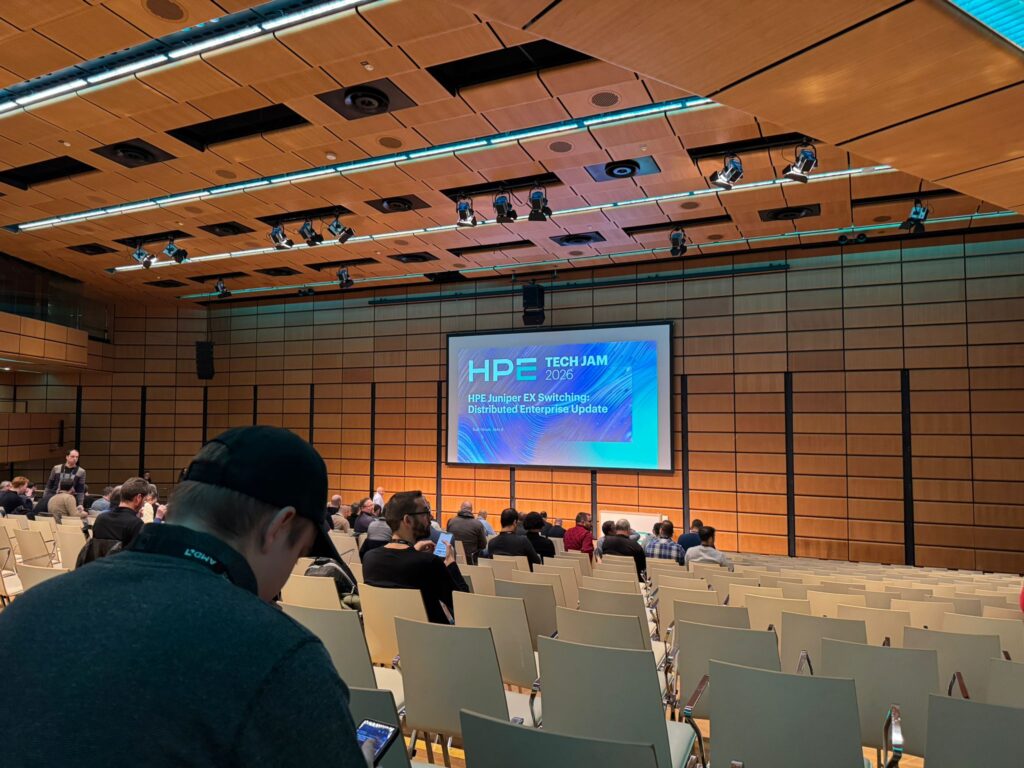
That mindset defined Day 4 pretty well.
It wasn’t about trying to outshine the previous days. Instead, it quietly showed where real progress is happening – and where things are still… work in progress.
On the technical side, there were some genuinely solid announcements and updates. The new EX Series, for example, didn’t try to be flashy, but that was kind of the point. No gimmicks, no shiny nonsense – just architectural decisions that felt deliberate and grounded in reality. Nothing I want to fully unpack just yet, but definitely something worth a closer look later.
One update that landed very well (and was discussed at Discover already) was Marvis Minis making their way onto switches. Smaller, more focused insights, closer to the actual operational problems instead of abstract dashboards trying to be everything at once. Less “AI does magic,” more “here’s a useful hint where you’re actually stuck.” That tone made a big difference. The same goes for DDoS protection finally getting automatic pcaps and proper root-cause analysis. This is one of those features that makes you wonder why it wasn’t there years ago. Being able to explain what happened with evidence instead of assumptions is not revolutionary — it’s essential. But seeing it addressed properly still felt like a win. ISSU also got some long-overdue love. No fireworks, no dramatic slides – just improvements that matter if you’ve ever had to plan a maintenance window with too many unknowns. This was one of those sessions that operators quietly appreciate while marketing folks probably struggle to sell. And that’s perfectly fine.
One of the more unexpected highlights was a session on Europe’s sovereign AI factories.
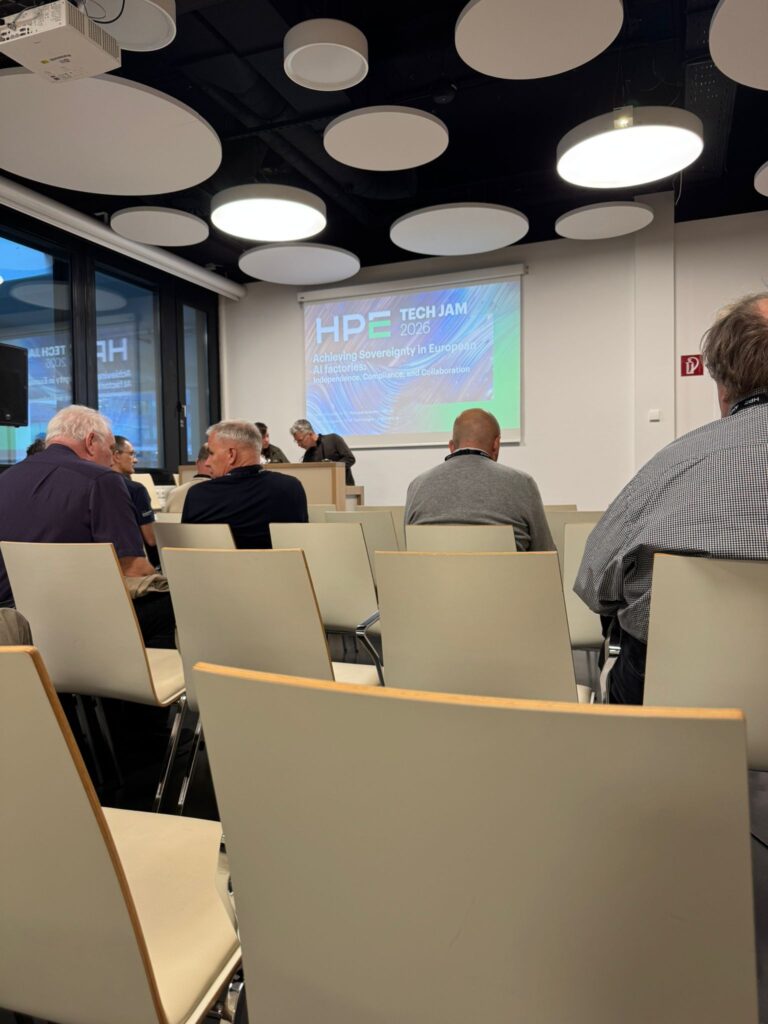
Refreshingly grounded, it avoided the usual “AI will fix everything” narrative and instead focused on infrastructure, regulation, dependencies, and the uncomfortable realities of sovereignty in a globally entangled tech ecosystem. Less hype, more context — which made it stand out more than any buzzword-heavy keynote could.
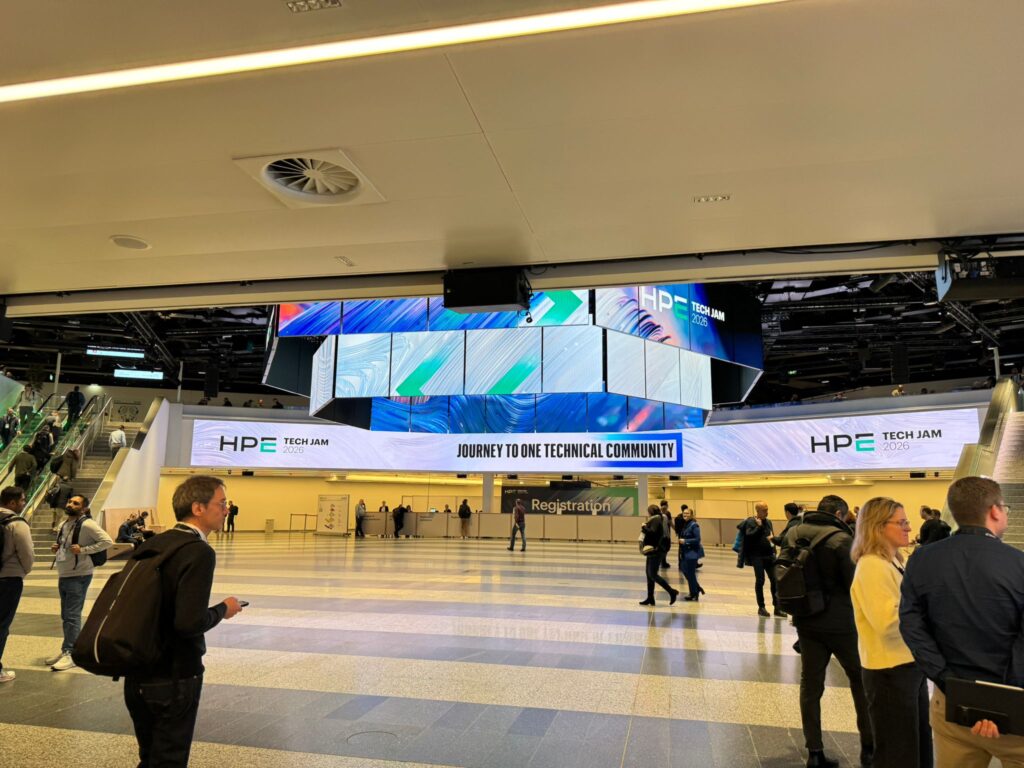
Somewhere between sessions, a fascinating behavioral study unfolded: highly intelligent engineers happily waiting ten minutes in line for an escalator instead of walking up the stairs right next to it. Watching a crowd of nerds optimize for anything except time was oddly entertaining. Apparently efficiency has limits — especially when stairs are involved.

But there was also a topic that simply refused to disappear throughout the entire event. It came up in hallway conversations, in side remarks during sessions, and again and again in discussions with peers and customers alike: Aruba Central.
By the last session of Day 4, I saw first-hand what people meant. And no, this wasn’t some “Team Juniper” rant — I made sure the Aruba folks in the room understood that clearly. The feedback was consistent and came from people genuinely trying to use the platform.
What stood out wasn’t complexity caused by hard problems, but complexity created by design. Even basic things – down to variables – felt unnecessarily convoluted and complex. And when different customers, peers, and operators (all fans of Aruba by the way) independently describe the same pain points, it’s not an isolated complaint anymore. If there isn’t serious improvement in usability and operational clarity, I honestly struggle to see how this works at scale for customers. That’s not vendor-bashing – it’s a reality check. But with MIST, HPE has a good answer to complex Management Systems now from both internal and external sources – let’s make it even better 🙂
Day 4 didn’t end with big applause or dramatic announcements. It ended with something more valuable: a clearer picture of what’s solid, what’s promising, and what still needs real work. One moment of closing Day 4 stood out on a completely different level for me personally. After seeing and talking to him so many times through Teams sessions, virtual MisFits, and Ambassador meetings, I finally got to meet the one and only Sudheer in person. And honestly? Exactly as expected.
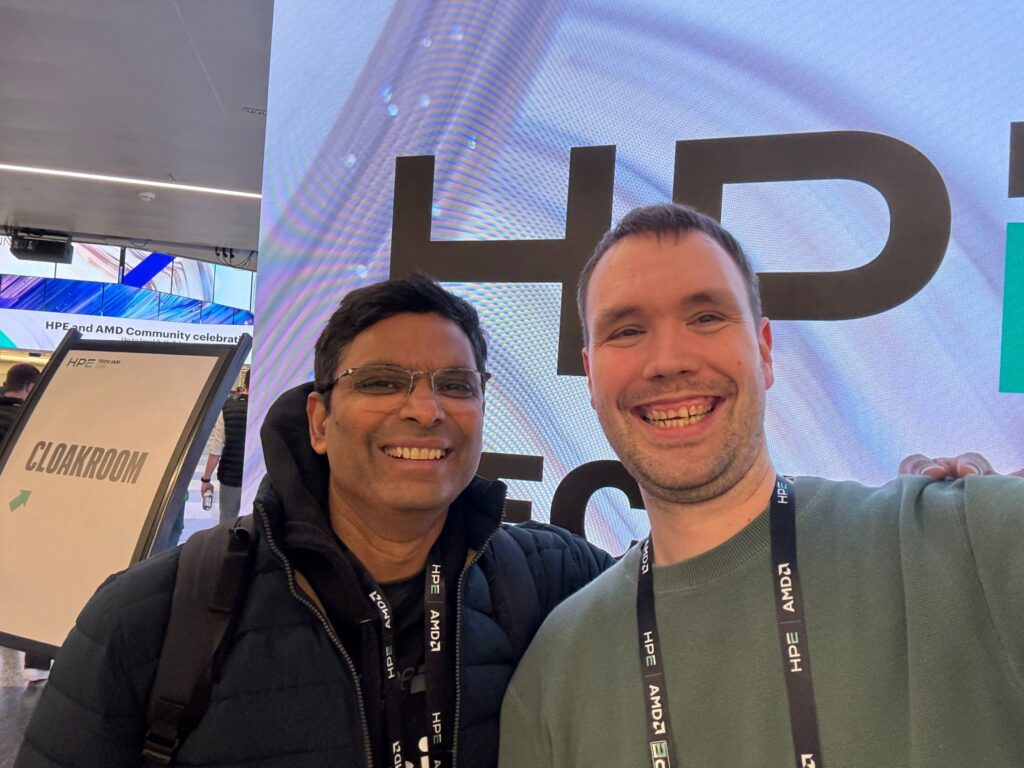
Pure positivity. Always smiling. Approachable, genuine, and energizing in that authentic way that doesn’t need a stage or slides to make an impact. Some people are just as warm and inspiring in real life as they are on screen – Sudheer is absolutely one of them.
Moments like this are a reminder that behind all the platforms, architectures, and debates, it’s the people that leave the strongest impression. And meeting someone you’ve “known” virtually for years is one of the most underrated joys of events like this.
That concludes Day 4 – Tomorrow 2 smaller Sessions await before the flight waits – and as much as I love those events, I also love my own bed, my own couch, my own Desk and my family and friends 🙂
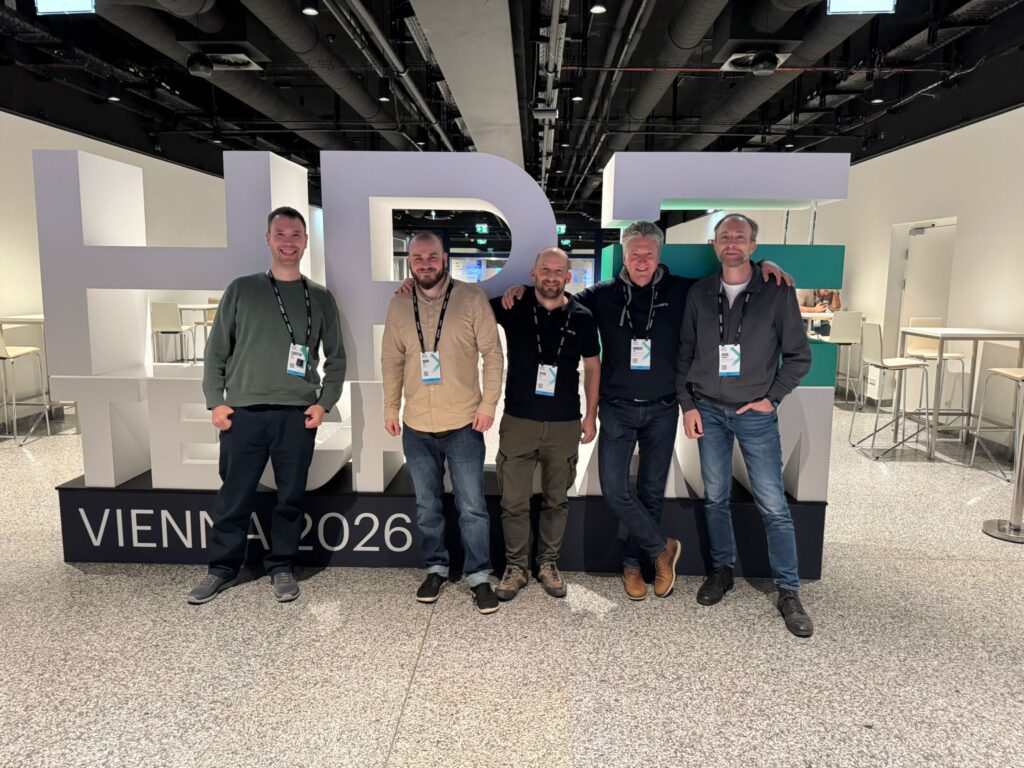
Because once the slides are closed and the booths are packed up, reality is what we all go back to.
Netzwerkonkel — still standing. 😉
Pingback: permit-any-any.comHPE TechJam Vienna 2026 – Day 4: Announcements, Escalators, and a reality check